How Do I Qualify for an Overdraft at Standard Bank?

December 11, 2025
Getting an overdraft at Standard Bank can be a real lifesaver when your budget gets a little tight. Simply put, an overdraft lets you spend more money than you actually have in your bank account, up to a certain limit. It's like a safety net that's linked to your everyday current account, helping you cover unexpected costs or bridge a gap until your next payday.
If you're wondering how to qualify for this useful financial tool, Standard Bank has some clear rules. You'll need to have an active Standard Bank current account and typically be at least 21 years old. The bank also usually looks for a minimum gross income of R8,000 per month. They'll also check your credit history and overall financial situation to make sure you can manage the overdraft responsibly.
What Standard Bank Looks For
Qualifying for an overdraft isn't just about meeting one or two things; Standard Bank looks at a few key areas to make sure it's a good fit for both you and them.
Here's what they generally consider:
- An Active Standard Bank Current Account: This is the first step. Your overdraft facility is tied directly to your main transactional account. This means you don't need a whole new account just for the overdraft.
- Age Requirement: Most times, you'll need to be at least 21 years old to apply for a general overdraft facility. However, some specific accounts, like Student accounts, might allow applicants from 18.
- Stable Income: Standard Bank generally requires a minimum gross monthly income of R8,000. This shows them you have a regular income stream to repay any money you use from the overdraft.
- Affordability Checks: The bank will check your income against your expenses. They want to see that you can comfortably afford to pay back any overdrawn amounts. I remember a few years ago when I was trying to get an overdraft, I thought just having a good salary was enough. But then the bank asked for all my monthly expenses - rent, groceries, transport. It made me realise they really do a full picture check, not just one part.
- Good Credit History: Your credit score is very important. Standard Bank will review your credit file to understand your borrowing habits and reliability. A good credit score shows you're responsible with credit. Knowing how important your credit score is can help you when applying for any kind of credit. You can also learn about how different types of credit, like temporary loans, might affect your credit score. If you want to dive deeper into this, you might find some useful information in our post about Does an FNB Temporary Loan Affect My Credit Score?.
- Required Documents: You'll usually need your South African ID book and proof of residence. Some applications might also ask for your last three salary slips.
- Spousal Consent (if applicable): If you're married in community of property, you'll need your spouse's permission to get an overdraft.
How to Apply for an Overdraft
If you meet the basic requirements, applying for a Standard Bank overdraft is pretty straightforward.
- Online or via the App: If you're already a Standard Bank customer and registered for online banking, this is usually the quickest way. Just log in, go to the 'Borrow' section or 'Manage overdraft' on your transactional account. Follow the steps, and if approved, your new limit can often be available right away.
- In-Branch: You can always visit your nearest Standard Bank branch to speak to a consultant and apply in person.
- By Phone: You can also call Standard Bank to discuss and apply for an overdraft.
I once helped my uncle set up his overdraft through the app. He's not the most tech-savvy person, but the steps were clear enough that with a little guidance, he managed it from his couch. It was way easier than going into the branch, especially since he just needed a small increase to his existing limit.
Understanding Overdraft Costs and Benefits
Having an overdraft means you get quick access to extra cash when you need it. A great thing about Standard Bank's overdraft is that you only pay interest on the actual amount you use, not on the full approved limit. Plus, there are no minimum monthly repayments. Your overdraft simply gets topped up when money, like your salary, comes into your account.
There are a few costs to keep in mind, though. You'll typically pay a monthly service fee of R69 and a once-off initiation fee that can range from R86.25 to R1,207.50, depending on the size of your overdraft. The interest rate you pay will be personalised, usually falling between Prime plus 1.5% and Prime plus 10.5%.
An overdraft can give you peace of mind, knowing you have a financial backup for those unexpected moments. It can prevent debit orders from bouncing and help you avoid unnecessary fines.
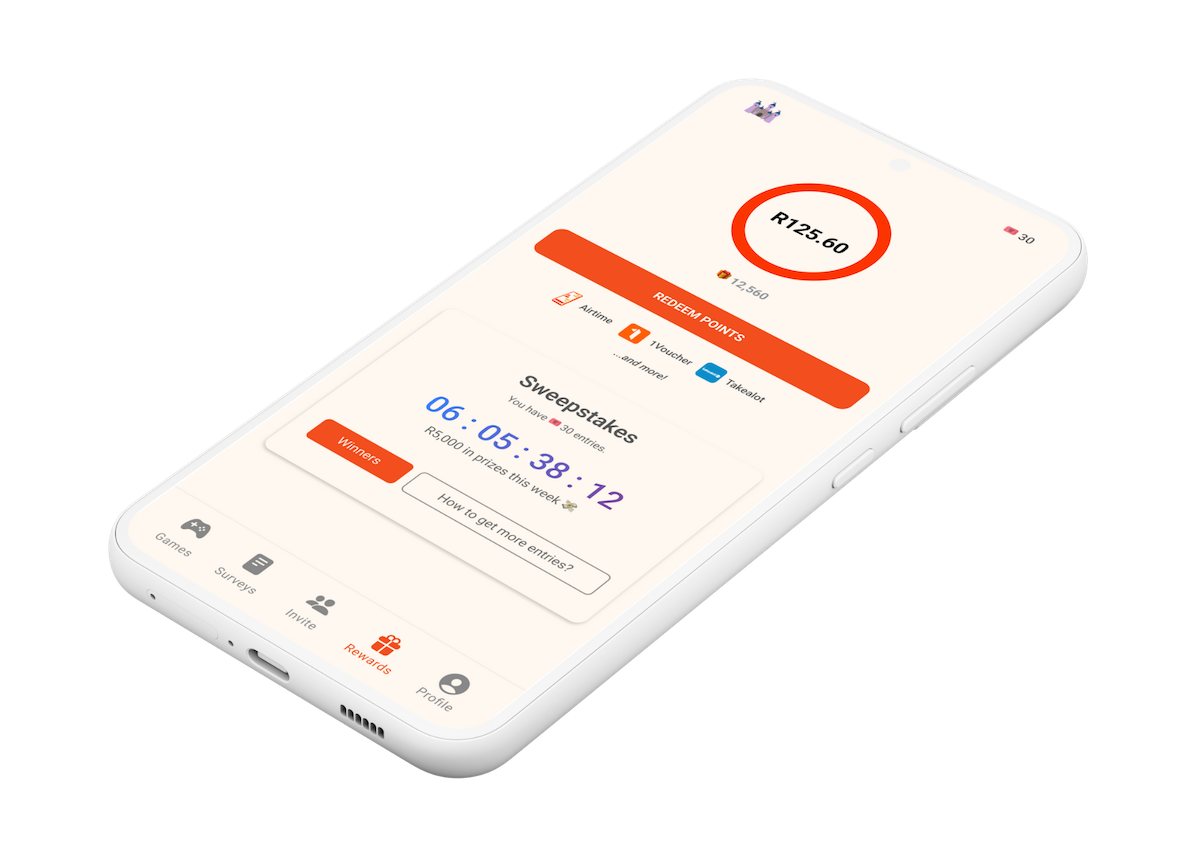
Being smart with your finances is key, and understanding options like an overdraft can make a big difference. Just like you can manage your money with banking products, you can also look for ways to earn a little extra on the side. For example, did you know that with the Points Castle App, you can earn free airtime and vouchers, which can help free up some of your budget?